

Root Canal Care That Saves Your Tooth
Tooth pain can take over your whole day. A root canal clears infection from deep inside the tooth so the pain stops and the tooth stays.
Keeping your natural tooth protects your bite and saves you the time and cost of replacing it. Your root canal is planned and checked with 3D imaging, then cleaned and sealed with modern materials made to help it last.
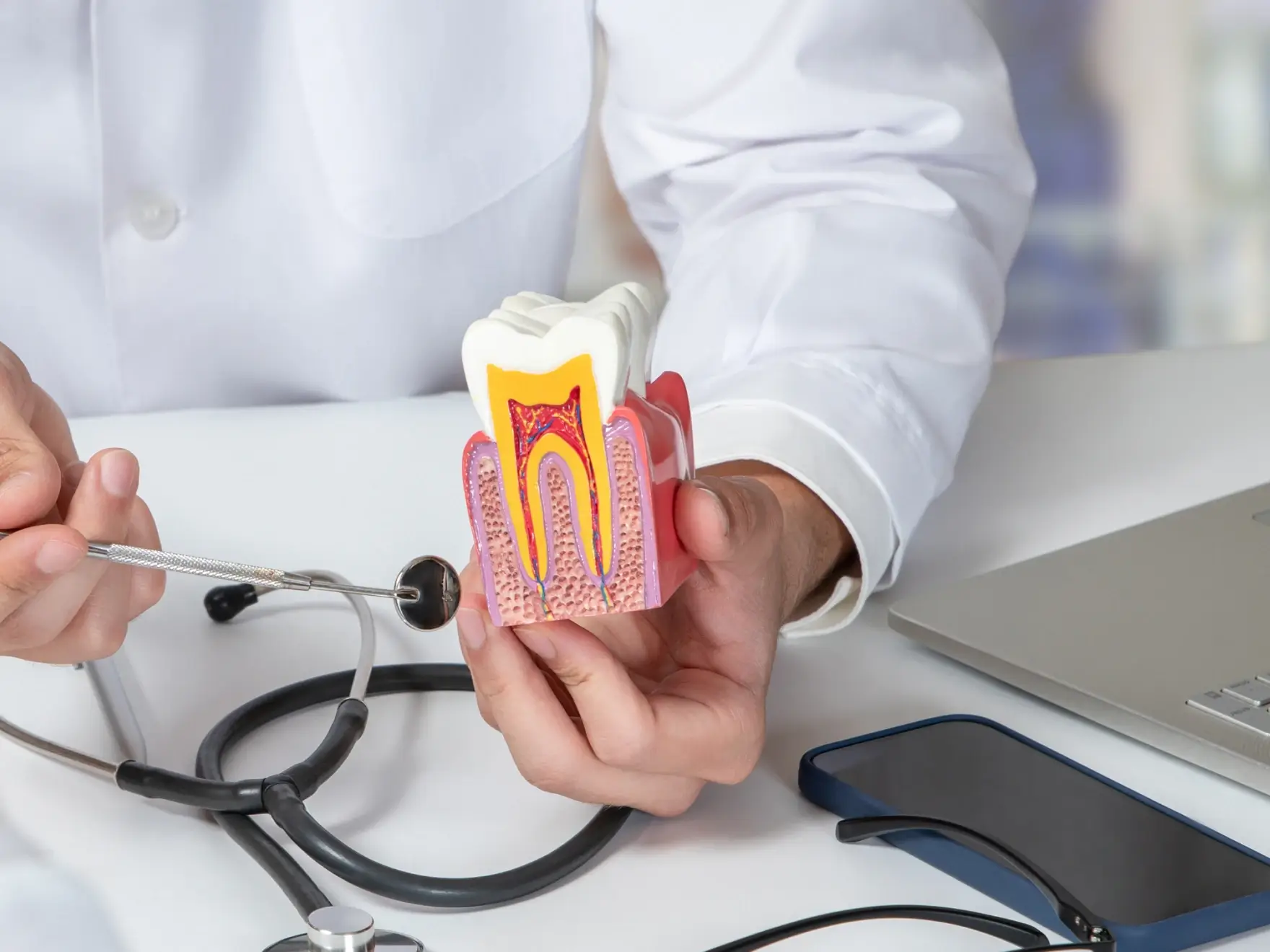
Know Exactly What You're Treating
Every tooth's roots are shaped a little differently. A CBCT scan maps the number, shape, and curve of your canals and can reveal extra canals or infection that flat X-rays may miss.
Get A Deeper, Cleaner Result
Activated two-step irrigation flushes and disinfects the tiny spaces inside your canals. A bioceramic sealer with antibacterial properties then fills and seals them, helping keep new bacteria out.


Feel At Ease During Treatment
Motorized reciprocation moves the cleaning instrument in a controlled back-and-forth motion, which lowers the chance of a tiny instrument breaking inside your tooth. You'll be fully numb, with oral sedation available if you feel anxious.
Check your insurance





When A Root Canal May Be The Right Choice
Some signs are hard to miss, and some are easy to brush off.
A root canal may be needed if you notice:
- Sensitivity to hot or cold that lingers
- Pain when you bite or chew
- A tooth that's turning darker
- Swollen or tender gums near one tooth
- A pimple-like bump on your gums
- A cracked tooth or a deep cavity
A tooth can need a root canal even when it doesn't hurt. Same-day emergency appointments are available when you're in pain.
Root Canal Vs. Tooth Extraction
When a tooth is infected, you can save it with a root canal or have it removed. Saving it is usually the simpler long-term choice.
Here's how the two compare:
- A root canal removes the infection and keeps your natural tooth in place.
- An extraction removes the tooth, which often leads to an implant or bridge to fill the gap.
- Leaving a gap can let nearby teeth shift and the jawbone shrink over time.
Dr. Sykes will help you weigh both options based on what your 3D scan shows.
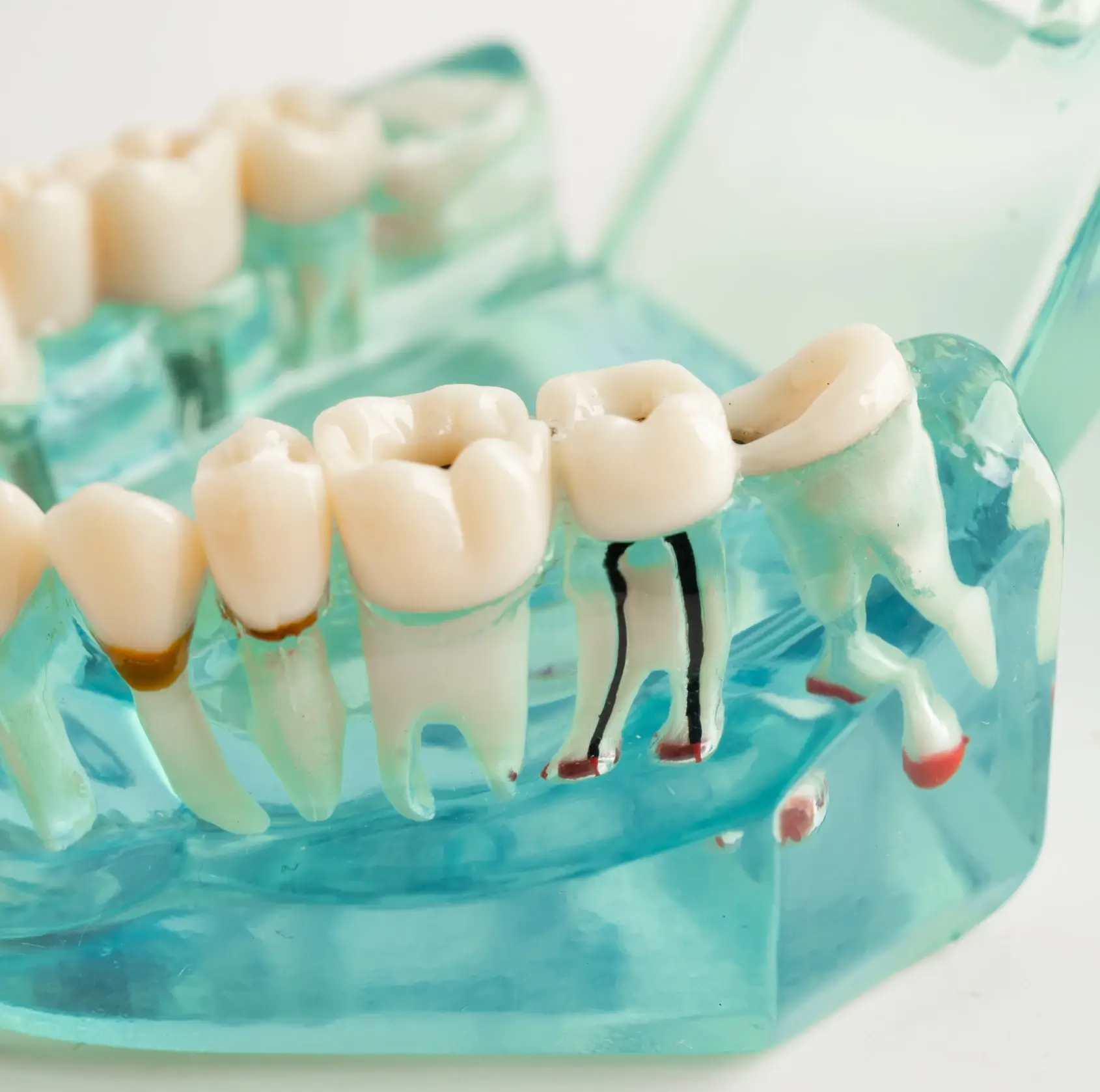
Why Acting Quickly Matters So Much
An infected tooth won't heal on its own. The longer it waits, the harder it can be to save.
Delaying treatment can lead to:
- More pain and pressure
- An abscess at the root tip
- Swelling in your face or jaw
- Damage to the surrounding bone
- Losing the tooth
Treating it sooner usually means a simpler visit and a better chance of keeping your tooth.




What to Expect During Your Root Canal
Find The Source Of Your Pain
Your visit starts by pinpointing which tooth is causing trouble and why.
This includes:
- Talking through your symptoms
- An exam of the tooth and gums
- A CBCT 3D scan
- Intraoral camera images you can see on screen
Get Comfortable
Your comfort is planned before treatment begins.
You can expect:
- Your tooth fully numbed
- Oral sedation if you feel anxious
- Blankets and headphones
- Streaming to help the time pass
Clear Out The Infection
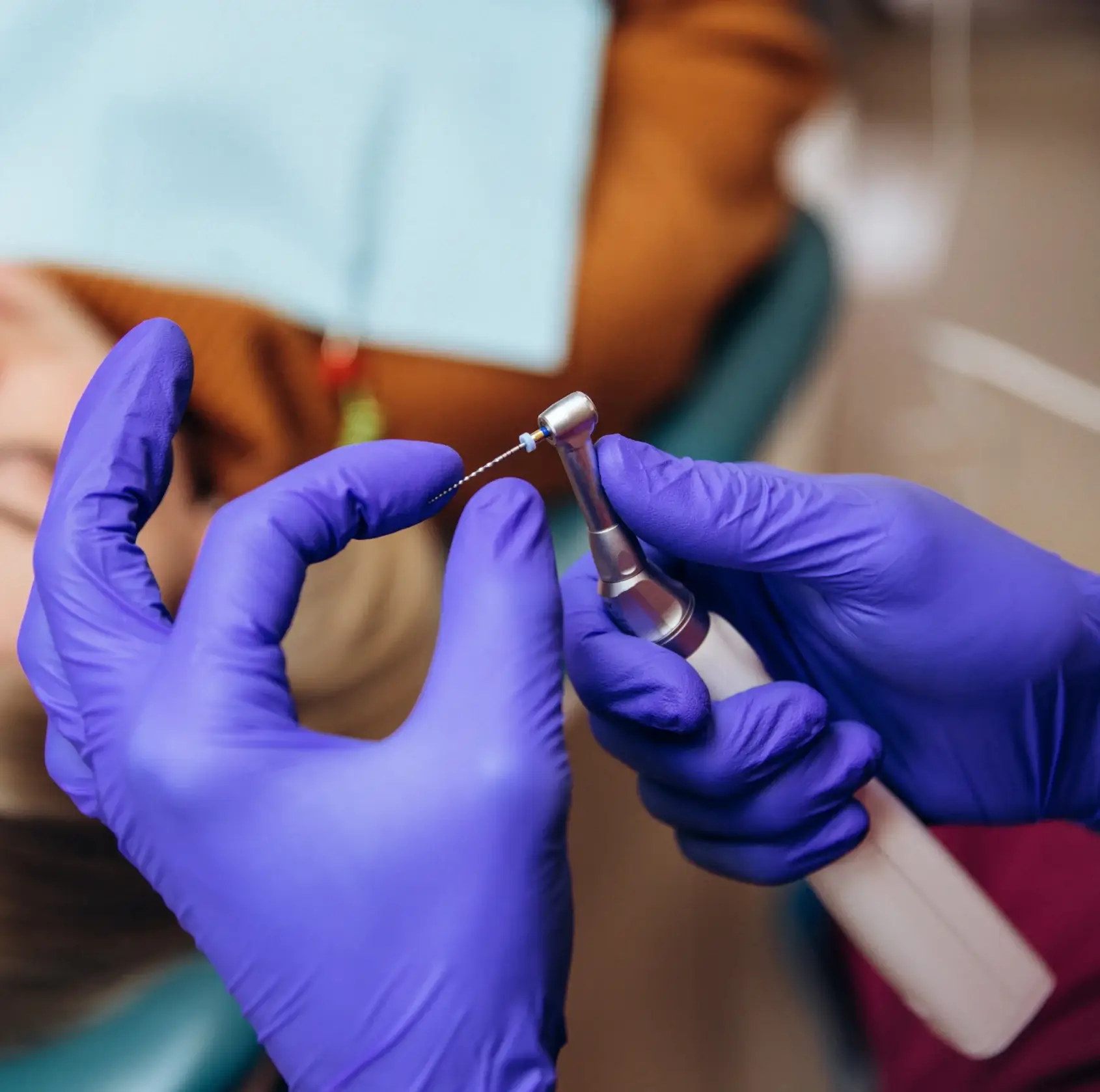
Damaged nerve and tissue are carefully removed from inside the tooth.
This step uses:
- Motorized reciprocating instruments
- A controlled back-and-forth motion
- Careful shaping of each canal
Disinfect And Seal Every Canal
Thorough cleaning and sealing help keep bacteria from coming back.
This includes:
- Activated two-step irrigation
- A bioceramic antibacterial sealer
- A filling to close the top of the tooth
Protect It With A Crown
Many treated teeth, especially back teeth, need a crown to stay strong. Dr. Sykes will let you know if yours does and walk you through the next step.
Check Your Healing
A follow-up visit lets us confirm the area is healing well. Imaging may be used to check that the infection has cleared.
Keep Your Tooth Healthy
Simple habits help your treated tooth last for years.
Plan to:
- Brush twice a day and floss daily
- Avoid chewing on the tooth until any crown is placed
- Keep up with checkups and cleanings
- Call if pain or swelling comes back
What Sets This Office Apart
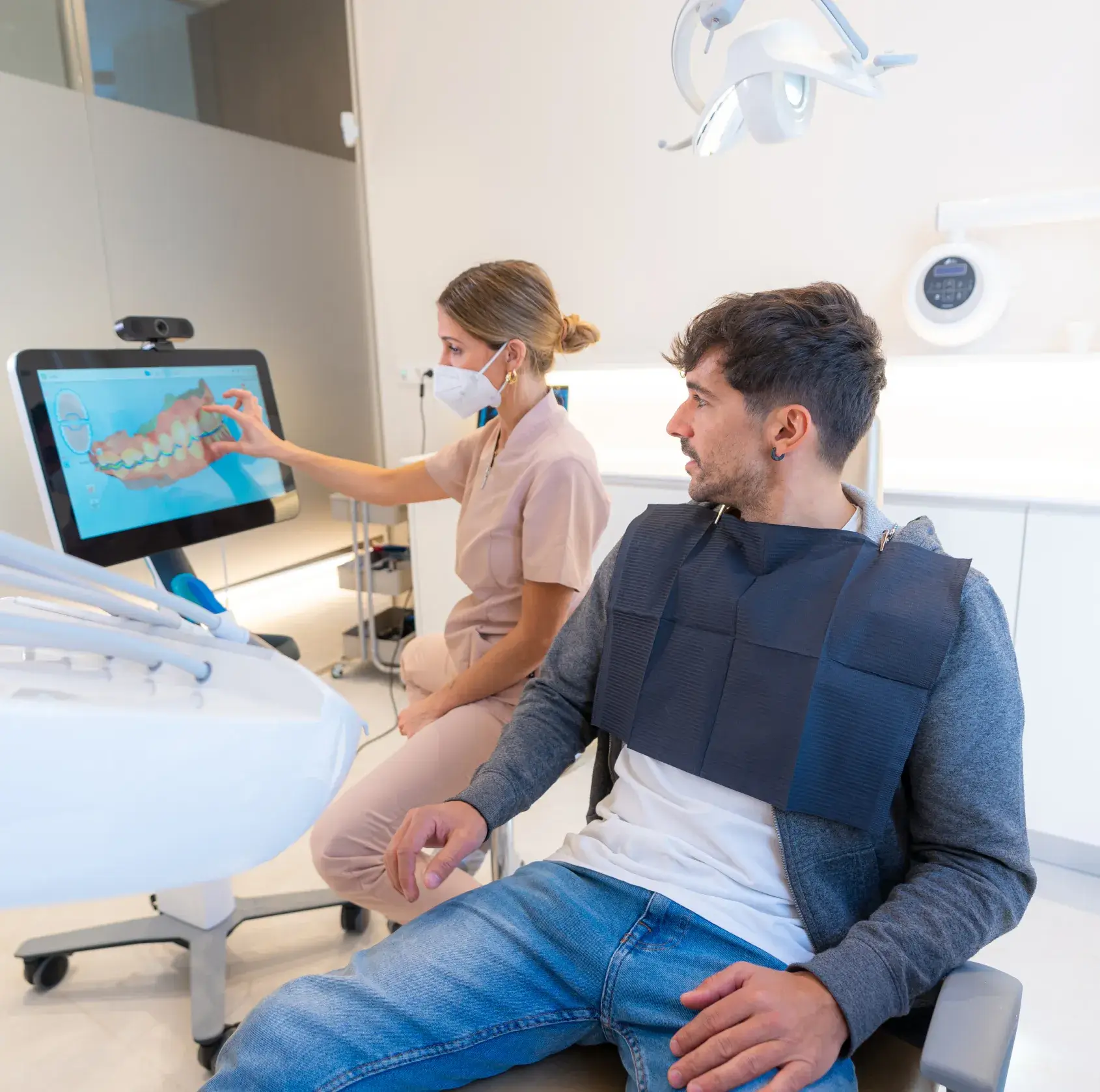
See It Before You Treat It
You're not left guessing. Imaging and in-room visuals show you exactly what is happening, so every decision is based on something you can see and understand.
Full-Service Dentistry
You can complete your care in one place, from preventive visits to more advanced treatments, with a team that knows you and your smile.


Time That Is Actually Yours
Appointments are structured so you're not rushed in or out. You have time to ask questions, talk through options, and decide what makes sense for you.
Comfort at Every Step
Amenities like streaming, headphones, and comfort items are part of your visit. Sedation options are available to help you relax and get the care you need.

Frequently Asked Questions
Can I get same-day care for a painful tooth?
Yes. Same-day emergency appointments are available, so you can get relief and a clear plan quickly.
Can I go back to work after a root canal?
Most people return to normal activities the same day or the next. Avoid chewing on the tooth until the numbness wears off and any final crown is in place.
How long does a root canal last?
With a proper seal, a crown if needed, and good home care, a treated tooth can last for many years, often a lifetime.
Will I need a crown after my root canal?
Often, yes, especially for back teeth that handle heavy chewing. A crown protects the treated tooth from cracking.
What is motorized reciprocation?
It's a back-and-forth motion used to move the cleaning instrument inside the canal. This controlled motion helps lower the chance of the instrument breaking during treatment.
What is a bioceramic sealer?
It's a material used to fill and seal the canals after cleaning. It has antibacterial properties and works well with the body, helping keep bacteria from coming back.
What is activated two-step irrigation?
It's a cleaning method that uses disinfecting solutions activated to move through the canals. It helps reach tiny spaces and branches that instruments alone can't clean.
Why save the tooth instead of pulling it?
Keeping your natural tooth helps you chew normally, keeps nearby teeth from shifting, and protects your jawbone. Replacing a pulled tooth usually takes more time and costs more.
How long does a root canal take?
Many root canals are finished in one or two visits. The time depends on the tooth and how many canals it has.
Does a root canal hurt?
Your tooth is fully numbed, so most people say it feels similar to getting a filling. A root canal relieves the pain caused by infection. Mild soreness for a few days afterward is normal.
Located in Kuna, Idaho
1025 N Meridian Rd Suite 150,Kuna, ID 83634
We're near Ezee Laundry and Wingstop. Complimentary parking is available on site.